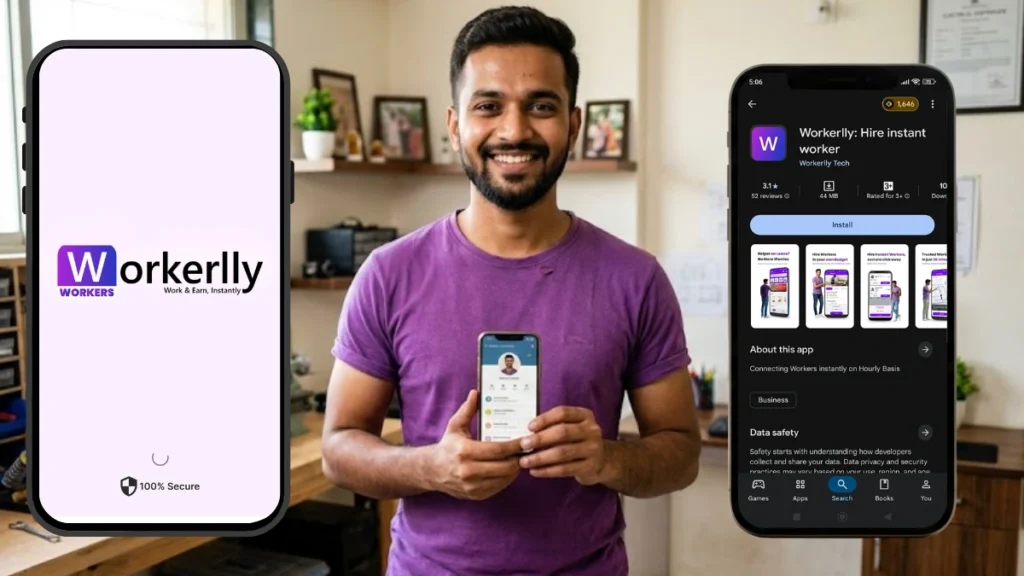
Panchkula has rapidly developed into one of the most organized and modern cities in Haryana. With growing residential sectors, commercial hubs, restaurants, offices, and housing societies, the demand for skilled workers has increased significantly over the years. From electricians and plumbers to cleaners, delivery workers, carpenters, painters, and technicians, the city depends heavily on a large workforce to keep daily life running smoothly.
- The Growing Workforce Challenges in Panchkula
- The Digital Gap in the Local Service Industry
- Workerlly’s Vision for Panchkula
- Empowering Skilled Workers with Dignity
- Building Trust Between Customers and Workers
- Faster Solutions for Everyday Problems
- Supporting Panchkula’s Urban Growth
- The Future of Workforce Technology in Panchkula
- Conclusion
However, despite the growing opportunities, both workers and customers faced major challenges. Finding reliable workers was difficult for households and businesses, while skilled workers often struggled to find regular income and stable job opportunities. This gap created the need for a smart, trusted, and accessible platform — and that is where Workerlly stepped in.
Workerlly was created to bridge the gap between skilled workers and people who need their services, bringing convenience, trust, and digital access to Panchkula’s growing workforce ecosystem.
The Growing Workforce Challenges in Panchkula
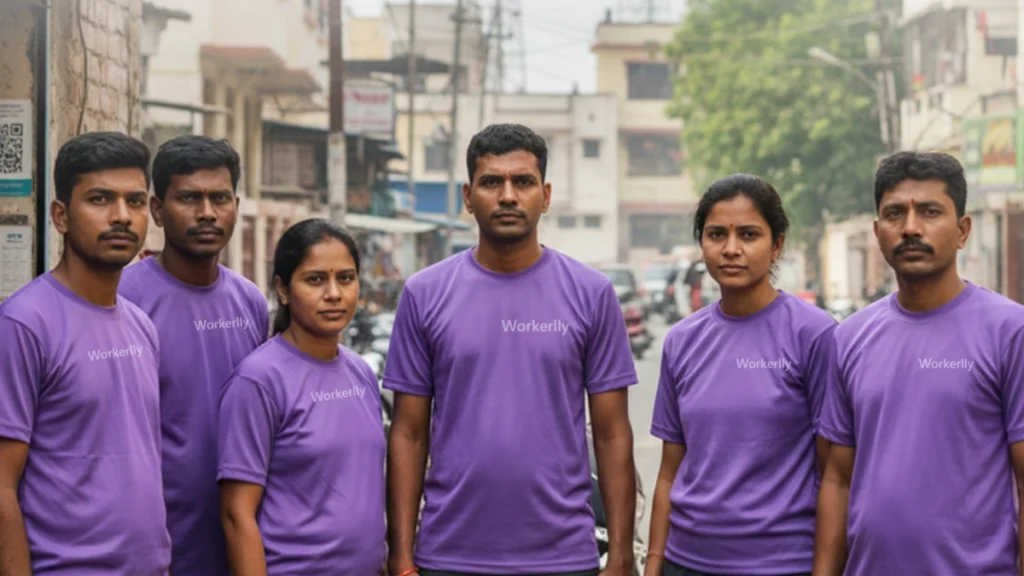
As Panchkula expanded, so did the demand for on-demand services. Families needed domestic help, businesses required maintenance staff, and construction projects constantly searched for skilled labor.
But the traditional way of hiring workers came with many problems:
- No proper verification of workers
- Unreliable service timings
- Difficulty finding workers during emergencies
- Lack of transparent pricing
- Irregular income for laborers
- Limited digital visibility for skilled workers
Most people relied on word-of-mouth recommendations, local references, or random contacts to hire workers. This process was often slow, stressful, and uncertain.
At the same time, thousands of skilled workers across Panchkula struggled to find consistent work opportunities. Many workers spent entire days waiting for calls or depending on contractors who paid low wages and offered no job security.
The Digital Gap in the Local Service Industry
While many industries in India moved toward digital platforms, local workforce services remained largely unorganized. Skilled workers in Panchkula had talent and experience but lacked access to digital tools that could connect them directly with customers.
Customers, on the other hand, wanted faster and more reliable service solutions. People today expect convenience through mobile apps and online platforms for almost everything — food delivery, shopping, transportation, and payments. But finding trusted workers still remained difficult.
This digital gap created a major opportunity for a platform that could organize the workforce industry while helping both customers and workers benefit equally.
Workerlly’s Vision for Panchkula
Workerlly was designed to solve these everyday problems through technology, trust, and accessibility. The platform focuses on connecting verified skilled workers with customers who need quick and dependable services.
The idea behind Workerlly is simple but powerful:
Make skilled work more accessible, respected, and digitally connected.
Whether someone needs a plumber for an urgent repair, an electrician for maintenance work, or household help for daily support, Workerlly aims to simplify the process through a reliable platform.
For workers, the platform creates opportunities to earn consistently, build customer trust, and grow professionally.
Empowering Skilled Workers with Dignity
One of the biggest reasons Panchkula needed Workerlly was to empower local workers with dignity and financial stability.
Many skilled workers face challenges such as:
- Irregular monthly income
- Dependence on middlemen
- Lack of customer trust
- No online visibility
- Limited access to better-paying jobs
Workerlly helps reduce these struggles by directly connecting workers with customers. Instead of waiting endlessly for referrals or contractors, workers can receive service requests through a digital platform.
This not only increases earning opportunities but also helps workers build their professional reputation through customer ratings and reviews.
By giving workers digital visibility and independence, Workerlly supports income stability and long-term career growth.
Building Trust Between Customers and Workers
Trust has always been one of the biggest concerns in the local service industry. Customers often hesitate before allowing unknown workers into their homes or businesses.
Workerlly addresses this issue through verification processes and organized service management. The platform aims to create a safer and more professional environment where customers can hire workers with greater confidence.
Features like service transparency, customer reviews, and digital communication improve the overall hiring experience.
For workers, trust also works both ways. Reliable workers receive recognition and repeat customers, helping them build stronger professional relationships.
Faster Solutions for Everyday Problems
Modern urban life moves quickly, and people do not want to spend hours searching for service providers during emergencies.
Imagine situations like:
- A water pipe suddenly bursts at home
- An electrical issue cuts off power
- An office requires urgent maintenance
- A family needs immediate cleaning assistance
In traditional systems, finding help during such situations could be stressful and time-consuming.
Workerlly brings speed and convenience by making workers more accessible through a digital platform. Customers can quickly connect with nearby skilled professionals instead of relying on uncertain contacts.
This fast-response approach is especially valuable in growing cities like Panchkula where busy lifestyles demand efficient solutions.
Supporting Panchkula’s Urban Growth
Panchkula continues to grow with new residential projects, offices, retail outlets, educational institutions, and commercial spaces. As infrastructure expands, so does the need for workforce support services.
A city cannot function efficiently without skilled workers managing repairs, maintenance, cleaning, construction, and technical support.
Workerlly supports this urban growth by helping organize the workforce sector digitally. It creates a system where skilled labor becomes easier to access, manage, and trust.
As more people move toward digital solutions, platforms like Workerlly are becoming essential for modern city ecosystems.
The Future of Workforce Technology in Panchkula
The future of workforce management lies in smart digital platforms that create convenience for customers while improving opportunities for workers.
As technology becomes more integrated into daily life, cities like Panchkula require solutions that simplify service access, improve transparency, and strengthen local economies.
Workerlly represents this shift toward smarter workforce technology. By combining digital accessibility with local service needs, the platform helps create a more organized and efficient ecosystem for everyone involved.
In the coming years, platforms like Workerlly may become as essential as ride-sharing or food delivery apps because they solve real everyday problems for urban communities.
Conclusion
Panchkula needed a platform like Workerlly because the city’s growing population and expanding infrastructure demanded a better way to connect skilled workers with customers. Traditional systems were often unreliable, unorganized, and inefficient for both sides.
Workerlly helps bridge this gap by creating a trusted, digital-first platform that empowers workers, simplifies hiring, and supports urban growth.
More importantly, it gives dignity, visibility, and consistent opportunities to the people whose skills keep the city functioning every day.
As Panchkula continues evolving into a smarter and more modern city, platforms like Workerlly are not just helpful — they are becoming necessary for the future of local workforce management.