In today’s fast-paced digital world, convenience has become a key factor in how people access products and services. From ordering food and booking transportation to shopping online, digital platforms have transformed everyday life. One of the most significant developments in this transformation is the rise of on-demand skilled services, where customers can instantly connect with professionals for various tasks through digital platforms.
- Understanding On-Demand Skilled Services
- The Digital Revolution Behind the Growth
- Benefits for Customers
- Opportunities for Skilled Workers
- The Role of Technology in Workforce Transformation
- Challenges Facing On-Demand Service Platforms
- The Growing Importance of Trust
- The Future of On-Demand Skilled Services
- How Platforms Like Workerlly Are Making a Difference
- Conclusion
Whether it is a plumber fixing a leaking pipe, an electrician repairing a faulty connection, a graphic designer creating marketing materials, or a home cleaner maintaining a household, digital platforms have made skilled services more accessible than ever before. This shift is reshaping the labor market, creating new opportunities for workers while providing greater convenience for consumers.
Understanding On-Demand Skilled Services

On-demand skilled services refer to professional services that customers can book whenever they need them through online platforms or mobile applications. These services are typically delivered by skilled workers who possess expertise in a specific trade, profession, or technical field.
Examples of on-demand skilled services include:
- Electrical repairs
- Plumbing services
- Carpentry work
- Home cleaning
- Appliance repair
- Graphic design
- Digital marketing
- Content writing
- Web development
- Beauty and wellness services
- Delivery and logistics support
Digital platforms act as intermediaries, connecting customers with qualified service providers based on location, availability, ratings, and service requirements.
The Digital Revolution Behind the Growth
Several technological advancements have fueled the rapid growth of on-demand skilled services.
Smartphone Penetration
The widespread use of smartphones has enabled millions of people to access services with just a few taps. Customers can search for professionals, compare reviews, make bookings, and process payments from their devices.
Internet Connectivity
Improved internet access has expanded the reach of digital platforms into urban, semi-urban, and even rural areas. Skilled workers who previously relied on local referrals can now connect with a larger customer base.
Digital Payments
Secure digital payment systems have simplified transactions. Customers can pay online, while service providers receive timely compensation without the need for cash handling.
Location-Based Services
GPS technology allows platforms to match customers with nearby service providers, reducing wait times and improving efficiency.
Customer Reviews and Ratings
Transparent rating systems help customers make informed decisions while encouraging service providers to maintain high standards of quality.
Benefits for Customers
The rise of digital platforms has significantly improved the customer experience.
Convenience
One of the biggest advantages is convenience. Customers no longer need to spend hours searching for reliable professionals. A skilled worker can be booked within minutes.
Faster Service
Many platforms offer same-day or even immediate service options, making it easier to address urgent needs.
Transparency
Customers can view pricing, ratings, reviews, and service details before making a booking. This transparency builds trust and reduces uncertainty.
Wider Choice
Digital platforms provide access to a large network of professionals, allowing customers to select workers who best match their requirements.
Secure Transactions
Online payment systems and service guarantees provide an added layer of security for customers.
Opportunities for Skilled Workers
While customers benefit from convenience, digital platforms are also creating new opportunities for skilled professionals.
Increased Visibility
Traditionally, many skilled workers depended on word-of-mouth referrals. Digital platforms allow them to showcase their expertise to a much larger audience.
Flexible Work Schedules
Workers can often choose their own hours and accept assignments based on their availability, providing greater flexibility.
Higher Earning Potential
By accessing more customers and reducing downtime between jobs, skilled professionals can increase their income.
Professional Growth
Many platforms provide training programs, performance feedback, and certification opportunities that help workers improve their skills.
Financial Inclusion
Digital payments and transaction records can help workers establish financial credibility, making it easier to access banking services and loans.
The Role of Technology in Workforce Transformation
Technology is not only connecting workers with customers but also improving workforce management.
Artificial Intelligence
AI-powered systems help match customers with the most suitable professionals based on skills, location, availability, and customer preferences.
Data Analytics
Platforms use data analytics to identify demand patterns, optimize service delivery, and improve customer satisfaction.
Automated Scheduling
Digital scheduling tools help workers manage appointments efficiently, reducing conflicts and maximizing productivity.
Digital Training
Online learning modules enable workers to upgrade their skills and stay competitive in changing markets.
Performance Monitoring
Service quality can be tracked through ratings and feedback, helping workers continuously improve their performance.
Challenges Facing On-Demand Service Platforms
Despite their rapid growth, on-demand service platforms face several challenges.
Workforce Stability
Many skilled workers operate independently, which can lead to income fluctuations and uncertainty during periods of low demand.
Quality Assurance
Maintaining consistent service quality across a large network of workers remains a challenge for many platforms.
Competition
As more workers join digital platforms, competition can increase, making it difficult for some professionals to secure regular assignments.
Skill Gaps
Certain industries face shortages of adequately trained workers, limiting the ability of platforms to meet customer demand.
Regulatory Concerns
Governments and labor organizations continue to debate worker rights, benefits, and protections within the gig economy.
The Growing Importance of Trust
Trust is a critical factor in the success of on-demand service platforms.
Customers invite service providers into their homes, businesses, and personal spaces. Therefore, platforms must invest in:
- Identity verification
- Background checks
- Skill assessments
- Insurance coverage
- Customer support systems
- Secure payment processes
Workers also need confidence that they will receive fair compensation and support from the platform.
Platforms that prioritize trust and transparency are more likely to achieve long-term success.
The Future of On-Demand Skilled Services
The future of on-demand skilled services looks promising. As digital adoption continues to grow, more industries are expected to embrace platform-based service delivery.
Emerging trends include:
Specialized Skill Platforms
Future platforms may focus on niche industries such as healthcare support, technical consulting, advanced repairs, and professional training.
AI-Driven Personalization
Artificial intelligence will improve service matching, providing customers with highly personalized recommendations.
Remote Skilled Services
Many professional services, including design, marketing, consulting, and technical support, can already be delivered remotely. This trend is expected to expand further.
Integration with Smart Homes
As smart home technology becomes more common, service platforms may automatically detect maintenance needs and schedule professionals when required.
Workforce Development Programs
Platforms will increasingly invest in training and certification initiatives to address skill shortages and improve service quality.
How Platforms Like Workerlly Are Making a Difference
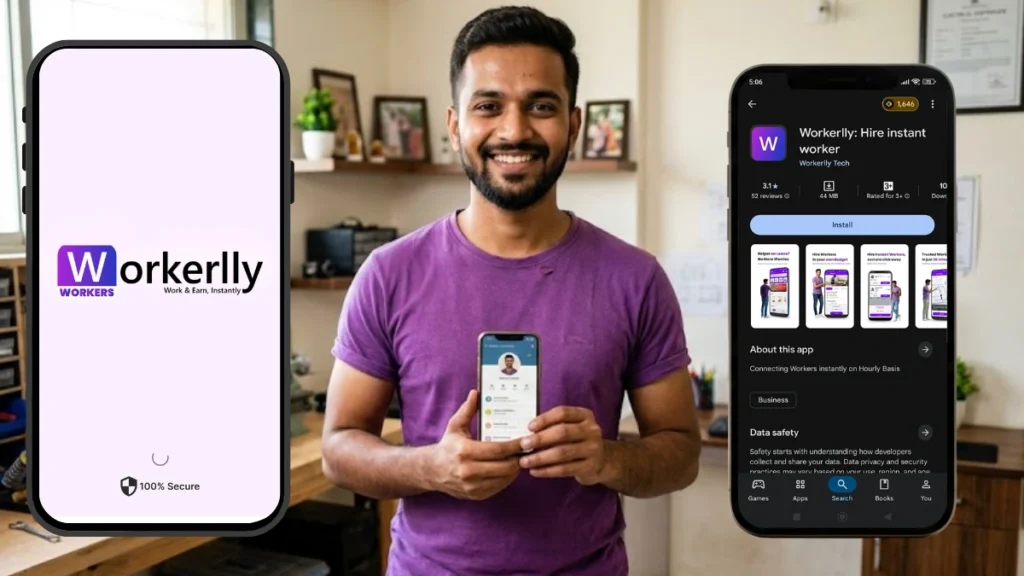
The growth of platforms such as Workerlly demonstrates how technology can empower skilled workers while simplifying access to services for customers. By creating a digital ecosystem that connects demand with talent, such platforms help workers secure more opportunities and build sustainable livelihoods.
For customers, they provide a reliable way to find trusted professionals quickly and efficiently. For workers, they offer visibility, flexibility, and the opportunity to grow professionally in an increasingly digital economy.
Conclusion
Digital platforms have revolutionized the way skilled services are delivered and consumed. By leveraging technology, these platforms are creating a more connected, efficient, and accessible service economy. Customers benefit from convenience, transparency, and faster service, while skilled workers gain access to broader markets and new income opportunities.
As technology continues to evolve, the on-demand skilled service sector will play an even greater role in shaping the future of work. Businesses, workers, and consumers who embrace this digital transformation will be better positioned to thrive in a rapidly changing economy.
The rise of on-demand skilled services is not just a technological trend—it is a fundamental shift in how work is organized, delivered, and valued in the modern world.