In every city, town, and neighborhood, two realities exist side by side. On one hand, households struggle to find reliable help for everyday tasks. On the other hand, millions of hardworking individuals possess the skills and willingness to work but often lack opportunities, visibility, and recognition. Between these two groups lies a gap—a gap built on trust, accessibility, and awareness.
- The Everyday Challenges Faced by Households
- The Struggles of Honest Workers
- Trust: The Missing Link
- Why Honest Workers Deserve Recognition
- Technology is Changing the Landscape
- Building a Culture of Trust
- Empowering Workers Through Digital Access
- Why Communities Benefit
- The Future of Household Services
- Creating Opportunities with Dignity
- Conclusion
Bridging this gap is not just about connecting people with services. It is about creating an ecosystem where households can find dependable assistance and honest workers can earn with dignity. In today’s fast-changing world, technology and digital platforms are playing a vital role in making this connection easier, safer, and more efficient.
The Everyday Challenges Faced by Households
Modern lifestyles have become increasingly demanding. Working professionals, elderly individuals, and busy families often require support with everyday tasks such as:
- House cleaning
- Cooking
- Laundry services
- Plumbing and electrical repairs
- Gardening
- Home maintenance
- Elderly care
- Delivery and moving services
However, finding trustworthy and skilled workers remains one of the biggest challenges.
Many people depend on word-of-mouth recommendations from friends or neighbors. While these referrals can be helpful, they often have limitations:
- Limited availability.
- No guarantee of quality.
- Difficulty finding replacements.
- Lack of transparency.
- Safety concerns.
As a result, households frequently spend valuable time searching for dependable workers.
The Struggles of Honest Workers
While households face difficulties finding reliable help, millions of skilled workers encounter challenges of their own.
Many workers possess years of experience but struggle because they lack:
- Access to customers.
- Digital visibility.
- Professional recognition.
- Stable income opportunities.
- Fair wages.
- Reliable work schedules.
Household workers, cleaners, helpers, electricians, cooks, and technicians often depend on informal networks for employment. This means income can be inconsistent and opportunities limited.
Despite their skills and honesty, many workers remain invisible to potential customers.
Trust: The Missing Link
The biggest obstacle between households and workers is trust.
Customers often wonder:
- Can I trust this person?
- Will they arrive on time?
- Are they experienced?
- Will they complete the work properly?
- Is my home and family safe?
Similarly, workers worry about:
- Receiving fair payment.
- Finding regular clients.
- Avoiding exploitation.
- Building long-term relationships.
Without trust, both sides hesitate. This uncertainty creates barriers that prevent efficient connections.
Why Honest Workers Deserve Recognition
Honest workers form the backbone of everyday life. Their contributions often go unnoticed, yet they help keep homes and communities functioning smoothly.
They:
- Maintain homes.
- Support working families.
- Assist elderly people.
- Solve urgent problems.
- Provide essential services.
These individuals deserve more than temporary jobs—they deserve dignity, recognition, and opportunities to grow.
Providing visibility and fair access to work can significantly improve their financial stability and quality of life.
Technology is Changing the Landscape
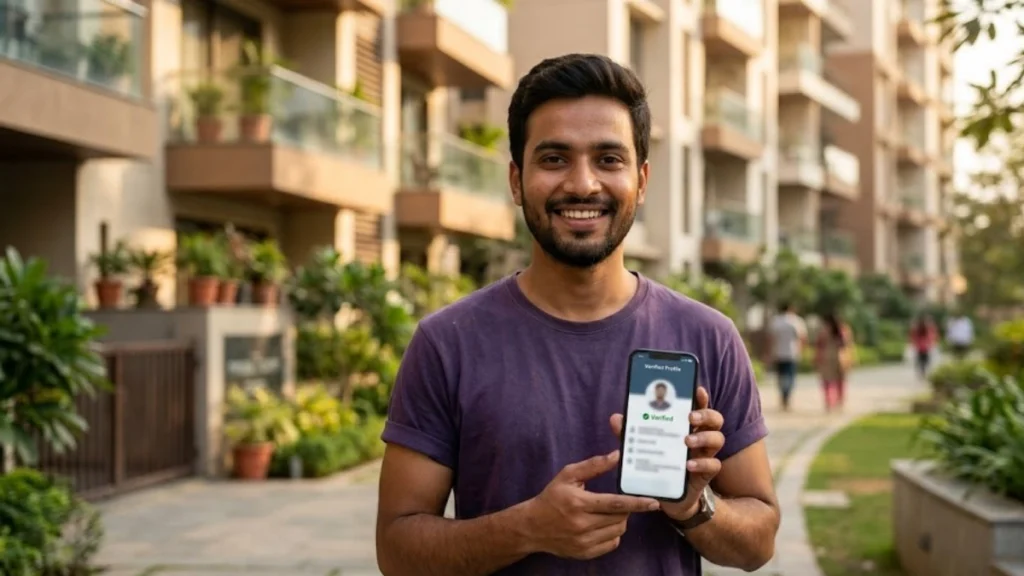
Digital platforms are transforming how households connect with workers. Instead of relying solely on personal references, customers can now access verified profiles, reviews, and service information.
Technology offers several advantages:
Easy Access
Customers can quickly find nearby professionals without endless searching.
Transparency
Profiles provide information about:
- Experience
- Skills
- Ratings
- Customer feedback
- Availability
Convenience
Booking services becomes easier and faster.
Accountability
Digital records create trust and encourage professionalism.
Better Opportunities
Workers gain access to a larger customer base and more consistent employment opportunities.
Building a Culture of Trust
Trust cannot be built overnight. It requires transparency, professionalism, and accountability.
Customers feel more comfortable when workers are:
- Verified.
- Trained.
- Experienced.
- Punctual.
- Professional.
Likewise, workers feel valued when they receive:
- Fair treatment.
- Timely payments.
- Respect.
- Positive feedback.
- Repeat business.
Strong relationships benefit everyone involved.
Empowering Workers Through Digital Access
Many talented workers remain excluded from the digital economy because they lack access to technology or awareness of digital opportunities.
By bringing workers onto digital platforms, communities can provide:
Increased Visibility
Workers become discoverable by thousands of potential customers.
Better Income Opportunities
More bookings mean greater financial stability.
Professional Growth
Training and customer feedback help workers improve their skills.
Independence
Workers can build their own reputation and customer base.
Dignity and Recognition
Being recognized as professionals boosts confidence and self-esteem.
Why Communities Benefit
Connecting households with honest workers creates positive social and economic impacts.
Improved Quality of Life
Families can focus on work and personal priorities while receiving dependable support.
Reduced Unemployment
Workers gain access to more opportunities.
Economic Growth
Money circulates within communities, supporting local livelihoods.
Safer Service Ecosystem
Verification and accountability improve customer confidence.
Social Inclusion
Workers from underserved backgrounds receive access to the digital economy.
The Future of Household Services
As urbanization increases and lifestyles become busier, the demand for household services will continue to grow.
Future service ecosystems will likely focus on:
- Verified worker profiles.
- AI-powered recommendations.
- Digital payments.
- Flexible hourly bookings.
- Customer reviews and ratings.
- Skill development programs.
Technology will continue to strengthen trust and improve the overall experience for both households and workers.
Creating Opportunities with Dignity
The future of work is not only about technology—it is about people. Every honest worker deserves a chance to showcase their skills, earn fairly, and build a better future. Every household deserves access to trustworthy and dependable services.
Bridging the gap between households and honest workers is about more than convenience. It is about creating opportunities, promoting dignity, and building stronger communities.
Conclusion
The connection between households and workers has traditionally depended on informal networks and limited opportunities. However, modern technology and trusted platforms are changing that reality.
By bringing transparency, accessibility, and trust into the process, it becomes possible to create meaningful connections that benefit everyone. Households gain reliable support, workers gain economic independence, and communities become stronger.
In the end, bridging the gap between households and honest workers is not just about providing services—it is about empowering people, creating trust, and ensuring that hard work is rewarded with dignity and opportunity.