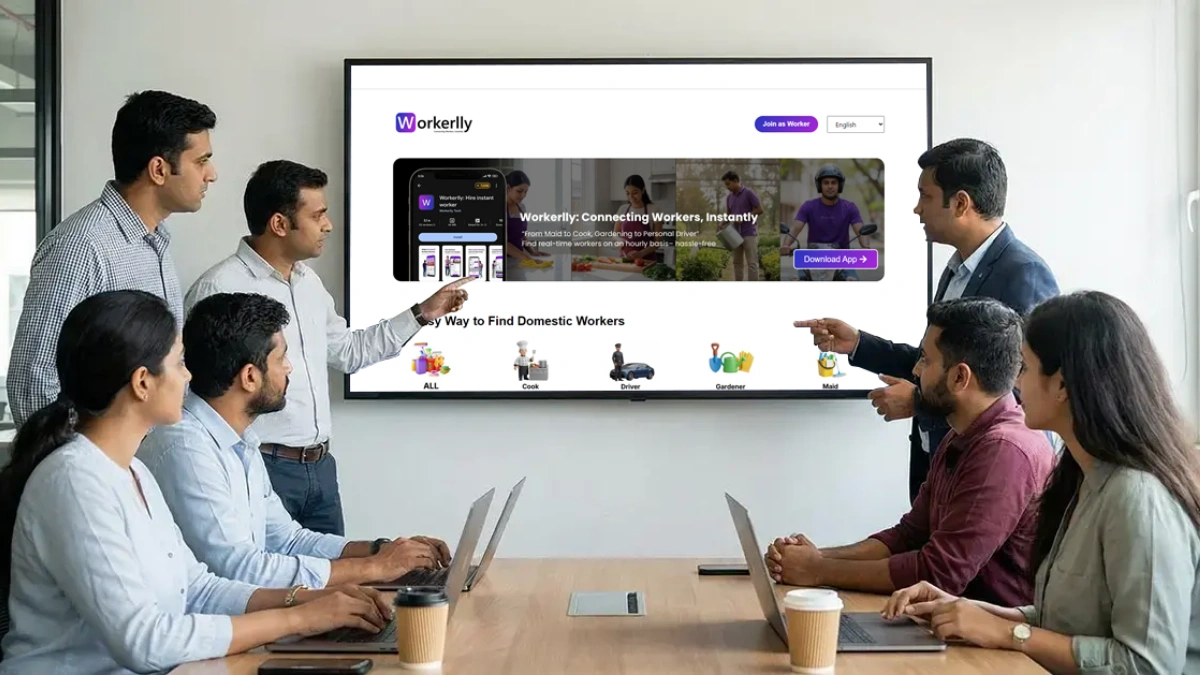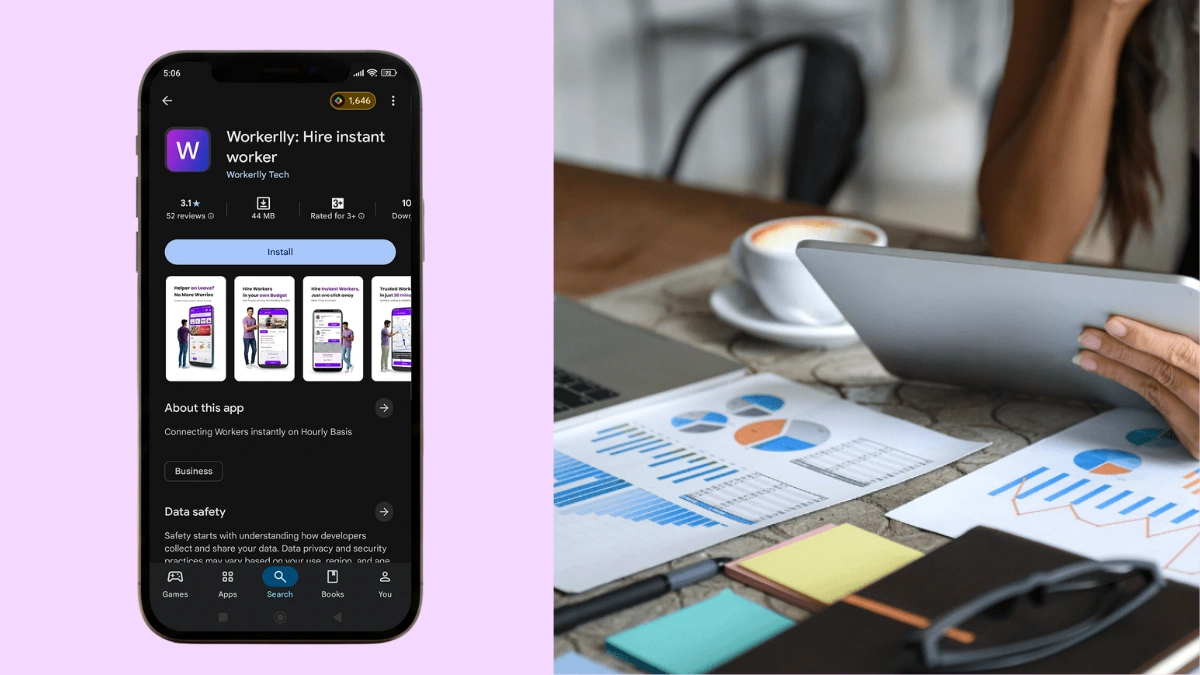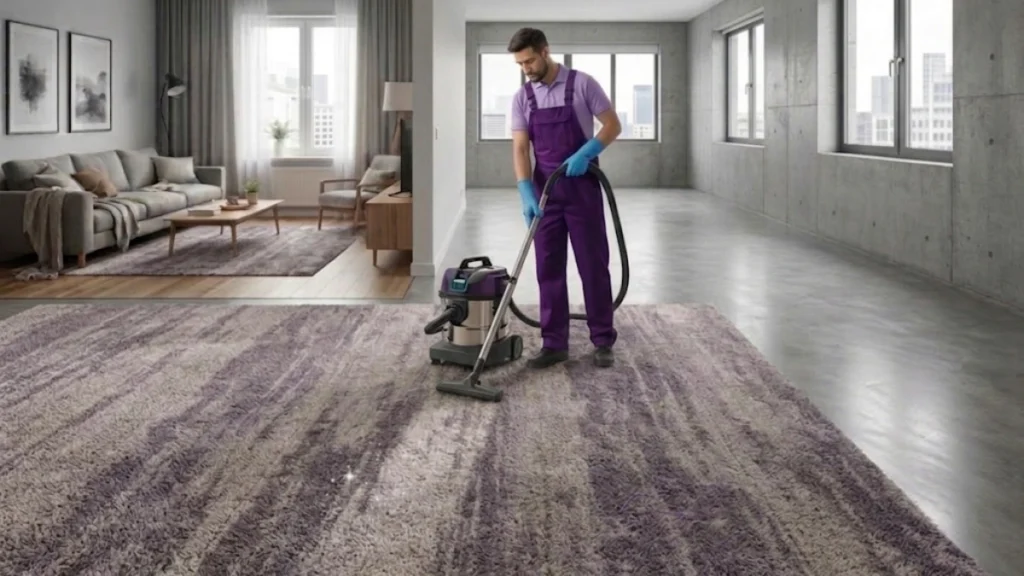
Modern urban life is fast-paced, demanding, and often overwhelming. Between long work hours, commuting, family responsibilities, and personal commitments, managing household chores has become one of the biggest challenges for urban families. From finding reliable domestic help to handling last-minute cancellations, urban households constantly struggle with chaos in their daily routines.
- The Growing Chaos in Urban Households
- The Rise of Smart Workforce Technology
- Key Benefits of Smart Workforce Technology
- Empowering Workers Through Technology
- Transforming Work-Life Balance
- The Role of Technology in Modern Household Management
- Future of Urban Household Management
- Why Smart Workforce Technology Matters Today
- Conclusion
However, the rise of smart workforce technology is transforming how households manage these everyday challenges. With digital platforms, verified workers, and on-demand services, smart workforce technology is bringing order, reliability, and convenience to urban homes.
This shift is not just about convenience — it’s about creating a smarter, more efficient lifestyle for urban families.
The Growing Chaos in Urban Households
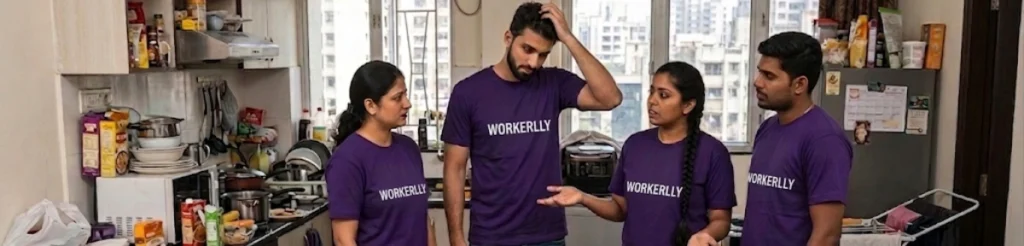
Urban households today face multiple challenges when it comes to managing domestic work. Unlike traditional setups where domestic help was easily available through referrals, modern cities demand structured and reliable solutions.
Some of the most common household challenges include:
1. Unreliable Domestic Help
One of the biggest problems urban families face is unreliable workers. Maids taking sudden leave, helpers not showing up, or last-minute cancellations can completely disrupt daily schedules. This becomes especially difficult when both partners are working professionals.
2. Lack of Verified Workers
Safety has become a major concern. Many households hesitate to hire domestic workers without proper background verification. Without a trusted platform, finding verified workers becomes time-consuming and risky.
3. Time-Consuming Hiring Process
Finding a maid, cook, babysitter, or cleaner often involves calling multiple contacts, asking neighbors, or searching through social media. This process is inefficient and stressful.
4. Emergency Situations
Unexpected guests, sudden travel plans, or family emergencies create immediate needs for domestic support. Unfortunately, traditional hiring methods fail to meet these urgent requirements.
5. No Standardized Pricing
Different workers quote different rates, creating confusion and sometimes unfair pricing. Without a structured system, households struggle to find services within their budget.
These challenges collectively create chaos in urban households, affecting productivity, peace of mind, and work-life balance.
The Rise of Smart Workforce Technology
Smart workforce technology is bridging the gap between households and skilled workers using digital platforms. Just like ride-hailing apps revolutionized transportation, workforce platforms are now transforming household management.
These platforms provide:
- Verified workers
- On-demand booking
- Transparent pricing
- Real-time availability
- Digital communication
- Easy replacements
This technology-driven approach is helping households move from uncertainty to reliability.
Key Benefits of Smart Workforce Technology
1. Verified and Trusted Workers
One of the biggest advantages of smart workforce platforms is verification. Workers go through background checks, identity verification, and skill validation before joining the platform.
This ensures:
- Safety for households
- Reliable workers
- Professional services
- Peace of mind
Families no longer need to worry about security or trust issues.
2. On-Demand Services
Smart workforce technology allows households to book workers whenever they need them. Whether it’s a maid, cook, babysitter, or cleaner, services are available at your fingertips.
This flexibility is especially helpful for:
- Working professionals
- Nuclear families
- Elderly households
- Busy parents
With on-demand services, households can easily manage unexpected situations.
3. Last-Minute Replacement
Traditional hiring fails when a worker takes leave. Smart workforce platforms solve this problem by providing quick replacements.
This ensures:
- No disruption in routine
- Continuous household support
- Stress-free scheduling
Households no longer need to panic when a worker doesn’t show up.
4. Transparent Pricing
Smart platforms provide standardized pricing based on services. This transparency helps households:
- Compare options
- Choose within budget
- Avoid overpaying
- Plan monthly expenses
This structure creates trust and fairness for both households and workers.
5. Time-Saving Solution
Finding domestic help traditionally takes hours or even days. Smart workforce technology reduces this process to just a few minutes.
Benefits include:
- Instant booking
- Easy search filters
- Quick confirmations
- Digital communication
This saves valuable time for busy urban families.
Empowering Workers Through Technology
Smart workforce technology is not just beneficial for households — it also empowers workers.
Workers benefit from:
- Better job opportunities
- Fair wages
- Flexible working hours
- Increased visibility
- Skill development
This creates a win-win situation where both households and workers benefit from digital transformation.
Transforming Work-Life Balance
One of the biggest impacts of smart workforce technology is improved work-life balance. Urban families often struggle to manage professional and personal responsibilities.
With reliable household support:
- Families spend more quality time together
- Professionals focus better on work
- Stress levels decrease
- Productivity increases
Smart workforce platforms are helping families reclaim their time and reduce daily stress.
The Role of Technology in Modern Household Management
Technology is becoming central to everyday life. From food delivery to online shopping, digital solutions have simplified multiple aspects of living.
Now, household workforce management is also becoming digital through:
- Mobile apps
- Online booking platforms
- Real-time tracking
- Digital payments
- Customer support
This transformation is making household management smarter and more efficient.
Future of Urban Household Management
The future of urban households will be driven by smart workforce technology. As cities grow and lifestyles become busier, the demand for reliable household support will increase.
Future advancements may include:
- AI-based worker matching
- Real-time availability tracking
- Smart scheduling
- Subscription-based services
- Skill-based worker recommendations
These innovations will further reduce household chaos and improve convenience.
Why Smart Workforce Technology Matters Today
Urban families no longer have the luxury of managing household work manually. With increasing responsibilities and limited time, technology-driven solutions are becoming essential.
Smart workforce technology offers:
- Reliability
- Convenience
- Safety
- Efficiency
- Flexibility
These factors make it the ideal solution for modern households.
Conclusion
Urban household chaos is a real challenge in today’s fast-paced world. From unreliable domestic help to last-minute emergencies, families face daily struggles managing their homes.
Smart workforce technology is solving these challenges by offering verified workers, on-demand services, transparent pricing, and quick replacements. This digital transformation is bringing structure, reliability, and peace of mind to urban households.
As technology continues to evolve, smart workforce platforms will become an essential part of modern living. They are not just simplifying household management — they are redefining how urban families live, work, and balance their lives.
The future of urban households is smart, efficient, and technology-driven — and smart workforce technology is leading the way.