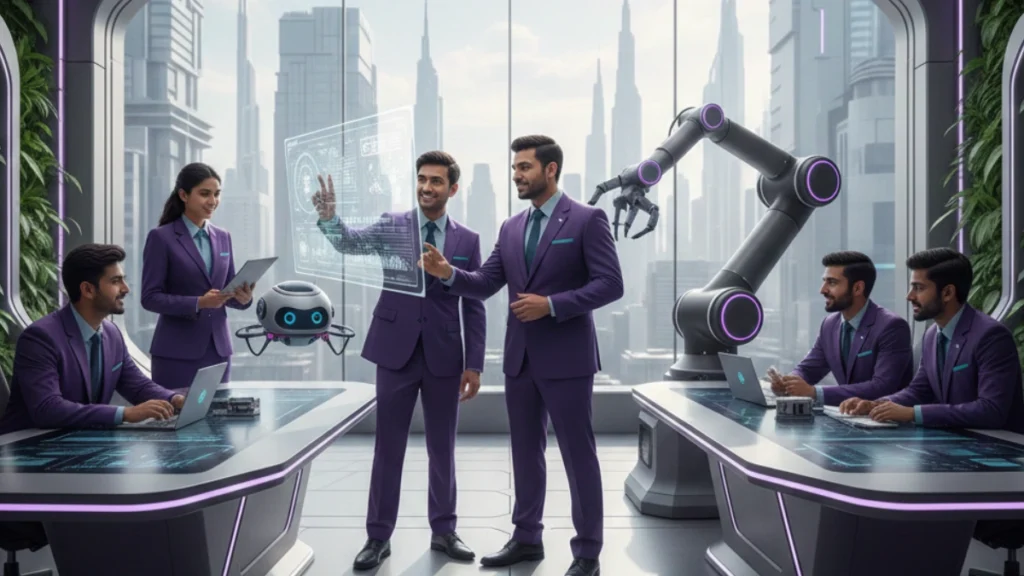
Automation is transforming industries at a rapid pace. From AI-driven chatbots to robotic assembly lines, technology is reshaping how work gets done and how companies operate. While this shift offers efficiency and cost benefits, it also raises an important question: What happens to the human workforce?
- 1. Understanding the Age of Automation
- 2. The Challenge for Traditional Workforces
- 3. What Makes Workerlly Different?
- 4. How Workerlly Creates Opportunities in an Automated World
- 5. Workerlly’s Mission: Humanizing the Future of Work
- 6. Real Impact: How Workerlly Is Changing Lives
- 7. The Road Ahead: Workerlly’s Vision for the Future
- Final Thoughts
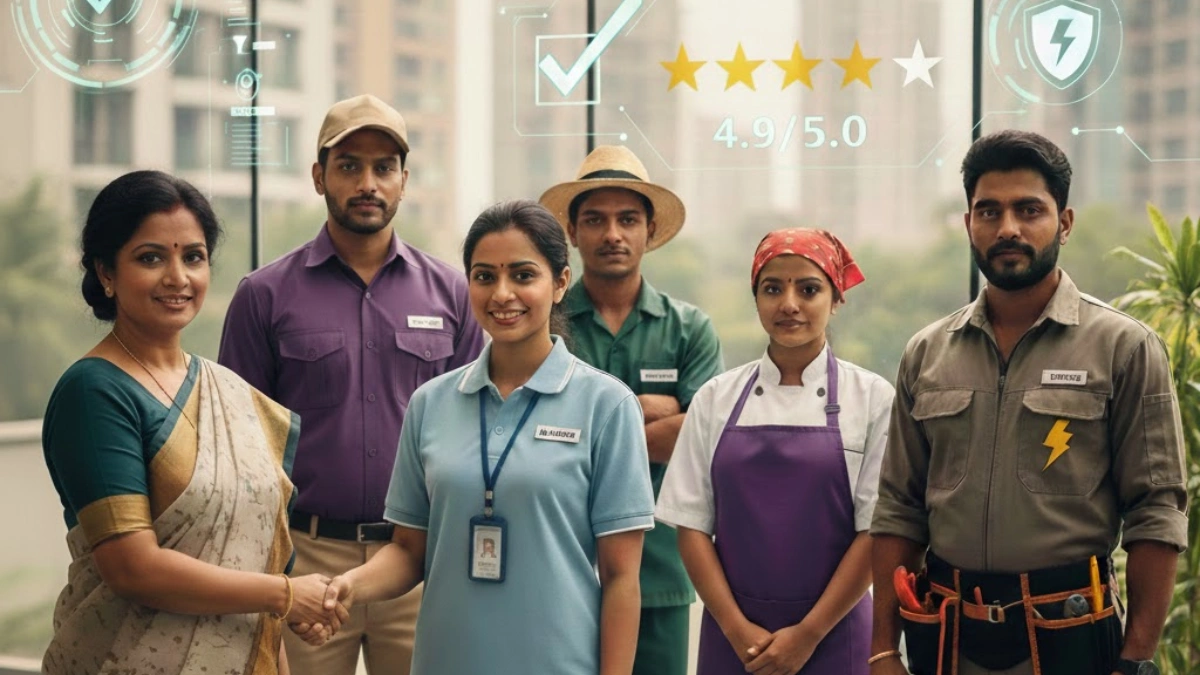
In this changing landscape, Workerlly is emerging as a powerful platform that bridges this gap—empowering workers, enhancing access to job opportunities, and helping industries embrace the future with dignity and inclusion. Rather than viewing automation as a threat, Workerlly positions it as an opportunity to create a modern, connected, and more equitable labor ecosystem.
This blog explores how Workerlly is reshaping workforce opportunities in the age of automation and why it stands at the forefront of India’s digital labor revolution.
1. Understanding the Age of Automation
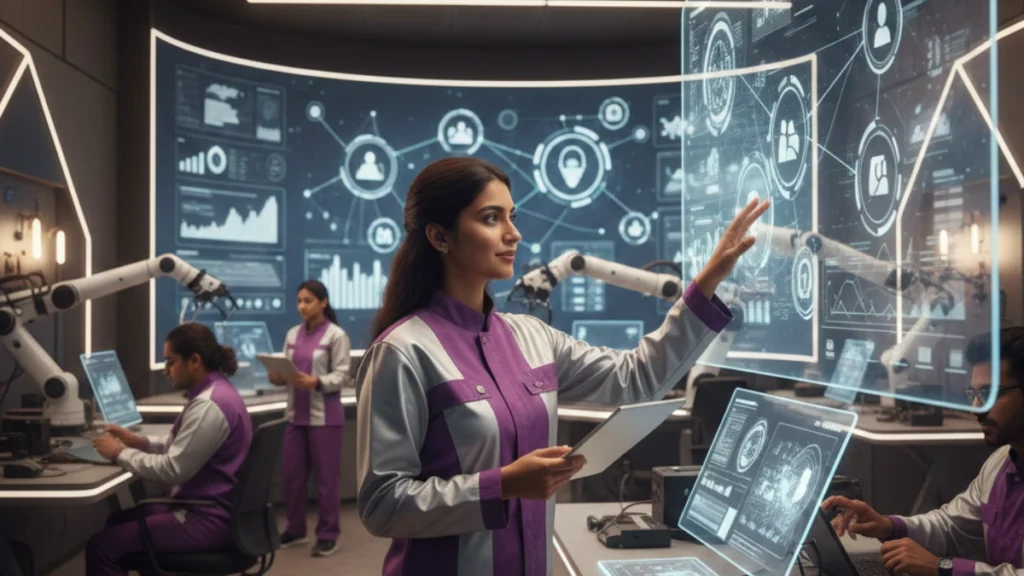
Automation is no longer a distant future—it is the present. Industries like manufacturing, logistics, security, construction, fire safety, and even service sectors are rapidly adopting advanced technologies such as:
- AI-powered scheduling and operations
- Robotics for repetitive tasks
- IoT-based monitoring and maintenance
- Digital workflows and documentation
- Cloud-based workforce management systems
These innovations are helping companies reduce errors, speed up processes, and lower costs. However, they also demand new skill sets, faster workforce availability, and more reliable systems for managing workers. That’s where Workerlly’s digital-first approach comes in.
2. The Challenge for Traditional Workforces
While automation improves efficiency, it often leaves gaps such as:
a. Limited job visibility for workers
Traditional labor markets rely heavily on contractors, middlemen, and offline connections. Workers—especially blue-collar or semi-skilled—struggle to find continuous work opportunities.
b. Lack of verified hiring for companies
Employers face challenges in verifying workers, tracking attendance, and ensuring reliability.
c. No structured growth pathways
Workers rarely get access to upskilling, career guidance, or structured opportunities.
d. Inefficient workforce management
Manual workforce handling, inconsistent documentation, and payment delays affect both workers and companies.
Workerlly identifies these challenges and creates a structured, digital platform that benefits all stakeholders.
3. What Makes Workerlly Different?
Workerlly is not just a job marketplace; it is a transformative workforce ecosystem designed for the realities of automation-driven industries. The platform combines technology, verified human networks, and smart workflows to make work more accessible, dignified, and efficient.
Key features include:
- Digital Worker Profiles with skill verification
- AI-based job matching to connect workers with the right opportunities
- Easy onboarding for companies and workers
- Transparent hiring with no middlemen
- Digital attendance, documentation & payments
- Upskilling pathways to prepare workers for automation-friendly roles
By bringing structure and transparency to an unorganized sector, Workerlly ensures that workers not only keep up with automation—but grow alongside it.
4. How Workerlly Creates Opportunities in an Automated World
1. Connecting Workers to New-Age Jobs
Automation doesn’t always eliminate jobs—it shifts them. As machines take over repetitive tasks, companies need workers who can:
- Monitor automated systems
- Support machine operations
- Maintain equipment
- Handle logistics and on-ground supervision
- Manage safety, compliance, and quality checks
Workerlly helps workers transition into such roles by giving them access to real-time job listings across industries.
2. Making the Hiring Process Faster and Smarter
Companies need reliable workers immediately, especially in logistics, security, warehousing, construction, and manufacturing. Workerlly’s platform:
- Filters candidates using AI
- Shows verified profiles
- Allows quick onboarding
- Reduces paperwork
- Ensures transparent communication
This efficiency is essential in industries that use automation heavily and require human-machine collaboration.
3. Ensuring Dignity, Transparency, and Fair Opportunities
In automated environments, dignity for workers is often overlooked. Workerlly corrects that through:
- Clear job roles
- Fair payments
- Documented agreements
- No hidden deductions
- Direct communication between companies and workers
This approach helps workers feel valued and secure even as industries modernize.
4. Preparing Workers for Tech-Enabled Roles
Automation requires workers to develop technical familiarity. Workerlly supports this by:
- Encouraging upskilling programs
- Connecting workers to training modules
- Promoting tech-readiness
- Helping workers navigate digital attendance, salary tracking, and job applications
This builds confidence and adaptability in a fast-changing environment.
5. Supporting Companies Through Workforce Analytics
Automation thrives when data drives decisions. Workerlly allows companies to track:
- Attendance
- Worker performance
- Hiring trends
- Skill gaps
- Operational requirements
These insights help companies plan their labor needs better, creating stable opportunities instead of uncertain, seasonal jobs.
5. Workerlly’s Mission: Humanizing the Future of Work
Automation often creates fear—fear of job loss, fear of irrelevance, and fear of being replaced. Workerlly addresses these concerns through a simple yet powerful mission:
To give workers dignity, access, and opportunity in a digitally transforming world.
This mission is delivered through:
✔ Digital Identity
Every worker gets a digital profile—something many have never had before.
✔ Access to Continuous Work
Workers can find consistent opportunities instead of relying on unstable, informal networks.
✔ Freedom from Middlemen
No exploitation, hidden fees, or misinformation.
✔ Growth Over Replacement
Workers evolve into automation-ready roles through upskilling and access to new job types.
✔ A Future-Ready Workforce
Companies get reliable, trained teams that complement AI and machinery—not compete with it.
6. Real Impact: How Workerlly Is Changing Lives
For Workers:
- Better jobs
- Fair wages
- Dignified treatment
- Digital records and transparency
- New career pathways
For Companies:
- Faster hiring
- Verified workforce
- Reduced downtime
- Compliance-ready workforce
- Insightful digital reporting
For Communities:
- Stronger local employment
- Reduced exploitation
- Improved worker satisfaction
- Technological empowerment
By prioritizing human needs in a technology-first world, Workerlly demonstrates that automation doesn’t weaken human potential—it enhances it.
7. The Road Ahead: Workerlly’s Vision for the Future
As automation continues its rapid rise, Workerlly aims to expand its role as a digital bridge between talent and opportunity. The platform envisions:
- Stronger AI-driven worker-job matchmaking
- Increased digital learning for workers
- More automated hiring workflows
- Better analytics for workforce planning
- Expanding into more industries and states
Its long-term goal is to build India’s most dependable, transparent, and technology-driven workforce ecosystem—where no worker is left behind, and no company is left understaffed.
Final Thoughts
The age of automation is here, but it does not have to be an age of uncertainty. With platforms like Workerlly, workers gain access, learning, dignity, and support. Companies gain reliability, speed, and insights. And industries evolve with a stronger, more connected human foundation.
Automation may change the way we work—but Workerlly ensures that workers remain at the center of growth, innovation, and opportunity.
Workerlly isn’t just adapting to the future of work—
it is shaping it.