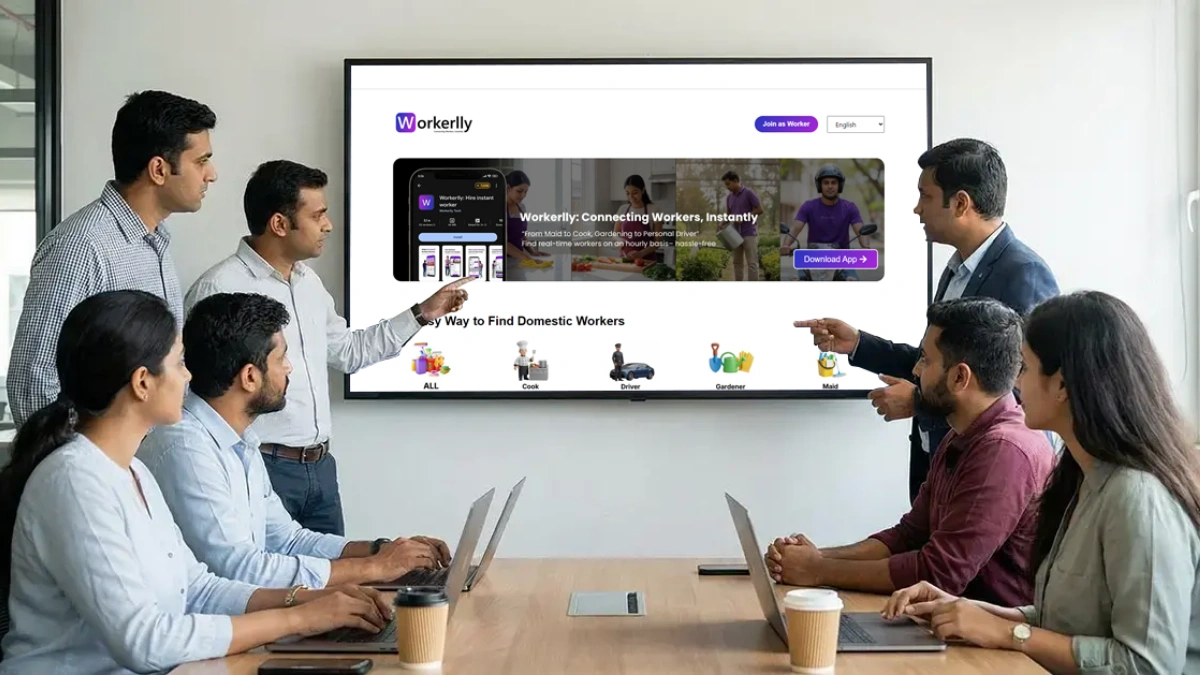
In today’s fast-changing world of work, companies can no longer afford to make decisions in isolation. The most successful platforms are those that actively listen to the people they serve. At Workerlly, workers are not just users of a digital platform — they are the core of everything we build. From daily wage earners and gig workers to semi-skilled professionals, feedback from workers directly shapes how Workerlly grows, improves, and creates real impact.
- Why Listening to Workers Matters
- The Workerlly Philosophy: Workers First
- How Workerlly Collects Worker Feedback
- What Workers Told Us — And What Changed
- Building Trust Through Listening
- Feedback and Worker Dignity
- How Feedback Improves Platform Design
- Listening in the Age of Automation
- The Role of Feedback in Policy and Partnerships
- Real Impact Stories
- Challenges in Listening — And How Workerlly Addresses Them
- The Future: A Truly Worker-Led Platform
- Final Thoughts
This blog explores how listening to workers helps Workerlly design better solutions, build trust, and create a dignified, inclusive workforce ecosystem. Written in simple, easy-to-understand language, this article also highlights why feedback-driven platforms are the future of work in India.
Why Listening to Workers Matters

Workers are the backbone of every economy. Yet, for decades, many of their voices have gone unheard. Decisions about wages, work conditions, job access, and technology are often taken without consulting the very people affected by them.
Listening to workers matters because:
- Workers understand ground realities better than anyone else
- Feedback helps identify real problems, not assumed ones
- Trust grows when workers feel heard and respected
- Better solutions lead to better livelihoods
At Workerlly, listening is not an afterthought — it is a continuous process.
The Workerlly Philosophy: Workers First
Workerlly was built with a clear belief: technology should serve workers, not replace or exploit them. This belief guides every feature, policy, and update on the platform.
Instead of designing tools in boardrooms alone, Workerlly focuses on:
- Understanding daily challenges faced by workers
- Learning how workers search for jobs
- Knowing what stops them from accepting opportunities
- Identifying gaps in skills, communication, and support
Feedback allows Workerlly to stay grounded and relevant.
How Workerlly Collects Worker Feedback
Listening to workers requires structured and accessible channels. Workerlly uses multiple methods to ensure every worker can share their voice.
1. Direct Conversations
Field teams and support staff regularly interact with workers. These conversations help capture honest opinions, challenges, and suggestions in real time.
2. In-App Feedback Options
Workers can easily share feedback through the Workerlly app. Simple language and user-friendly design ensure that even first-time smartphone users can participate.
3. Support Queries and Complaints
Every complaint or query is treated as feedback. Patterns in issues help Workerlly identify areas that need improvement.
4. Community Engagement
Group discussions, training sessions, and onboarding programs provide opportunities to listen to workers collectively.
What Workers Told Us — And What Changed
Feedback is only meaningful when it leads to action. Workerlly has made several improvements based directly on worker input.
Easier Job Discovery
Workers shared that job listings were sometimes difficult to understand. In response, Workerlly:
- Simplified job descriptions
- Added clearer work location details
- Improved category-based job searches
Transparent Work Information
Workers wanted clarity on wages, work duration, and expectations. Workerlly improved transparency by:
- Displaying payment details upfront
- Clearly mentioning shift timings
- Reducing last-minute changes
Better Language Support
Many workers prefer regional languages. Feedback led to:
- More language-friendly communication
- Simplified instructions
- Reduced technical terms
Faster Issue Resolution
Workers asked for quicker support. Workerlly strengthened:
- Customer support response times
- Escalation systems
- Follow-up communication
Building Trust Through Listening
Trust is earned when actions match words. When workers see their feedback turning into real improvements, confidence in the platform grows.
Listening helps Workerlly:
- Build long-term relationships with workers
- Reduce drop-offs and disengagement
- Encourage referrals through word-of-mouth
- Create a sense of belonging
For many workers, Workerlly becomes more than a job platform — it becomes a reliable partner.
Feedback and Worker Dignity
Dignity at work goes beyond wages. It includes respect, fairness, and recognition. By listening actively, Workerlly ensures:
- Workers feel valued, not ignored
- Decisions consider worker well-being
- Technology does not become a barrier
When workers are treated with dignity, productivity and satisfaction naturally increase.
How Feedback Improves Platform Design
Worker feedback plays a key role in user experience design.
Based on feedback, Workerlly focuses on:
- Clean and simple app layouts
- Minimal steps to apply for jobs
- Easy navigation for low-literacy users
- Visual cues instead of heavy text
This human-centered design approach ensures inclusivity.
Listening in the Age of Automation
As automation and AI reshape the workforce, listening becomes even more important. Workers often fear job loss or skill gaps.
Feedback helps Workerlly:
- Understand skill transition needs
- Introduce relevant upskilling pathways
- Reduce fear through clear communication
- Create opportunities instead of displacement
Listening ensures technology supports human progress.
The Role of Feedback in Policy and Partnerships
Insights from workers also guide Workerlly’s collaborations with employers, training partners, and institutions.
Feedback helps:
- Set fair work standards
- Design better training programs
- Improve employer accountability
- Influence inclusive workforce policies
Workers indirectly shape the ecosystem through their voices.
Real Impact Stories
Many platform improvements started as simple worker suggestions. From easier onboarding to clearer notifications, small changes have created big impact.
Workers often say:
- “The app understands our needs now.”
- “It is easier to find work without confusion.”
- “Support actually listens and responds.”
These voices validate the importance of feedback.
Challenges in Listening — And How Workerlly Addresses Them
Listening at scale is not easy. Challenges include:
- Diverse worker backgrounds
- Language differences
- Technology limitations
- Time constraints
Workerlly addresses this by:
- Keeping feedback channels simple
- Training support teams in empathy
- Using data responsibly
- Continuously improving processes
The Future: A Truly Worker-Led Platform
Workerlly envisions a future where workers actively shape digital platforms. Listening will remain central to:
- Feature development
- Policy decisions
- Expansion strategies
- Community building
A worker-led platform is more sustainable, ethical, and impactful.
Final Thoughts
Listening to workers is not just good practice — it is essential for meaningful change. At Workerlly, feedback is the foundation on which trust, innovation, and dignity are built.
By giving workers a voice and acting on it, Workerlly is reshaping India’s workforce ecosystem with empathy and purpose. In a world driven by technology, listening remains the most powerful tool of all.